
Beginner Horse Riding Gear Guide: Must-Have Riding Gear for New Riders Ready to Start Lessons
If you’re starting riding lessons, booking your first intro ride, or easing back into horses after a break, having the right gear makes the experience smoother and more enjoyable. This guide is for beginners who want to feel prepared, comfortable, and confident as they begin.
These riding gear recommendations focus on safety, comfort, and lesson-approved essentials — items commonly recommended by instructors and trusted by riders who are just getting started.
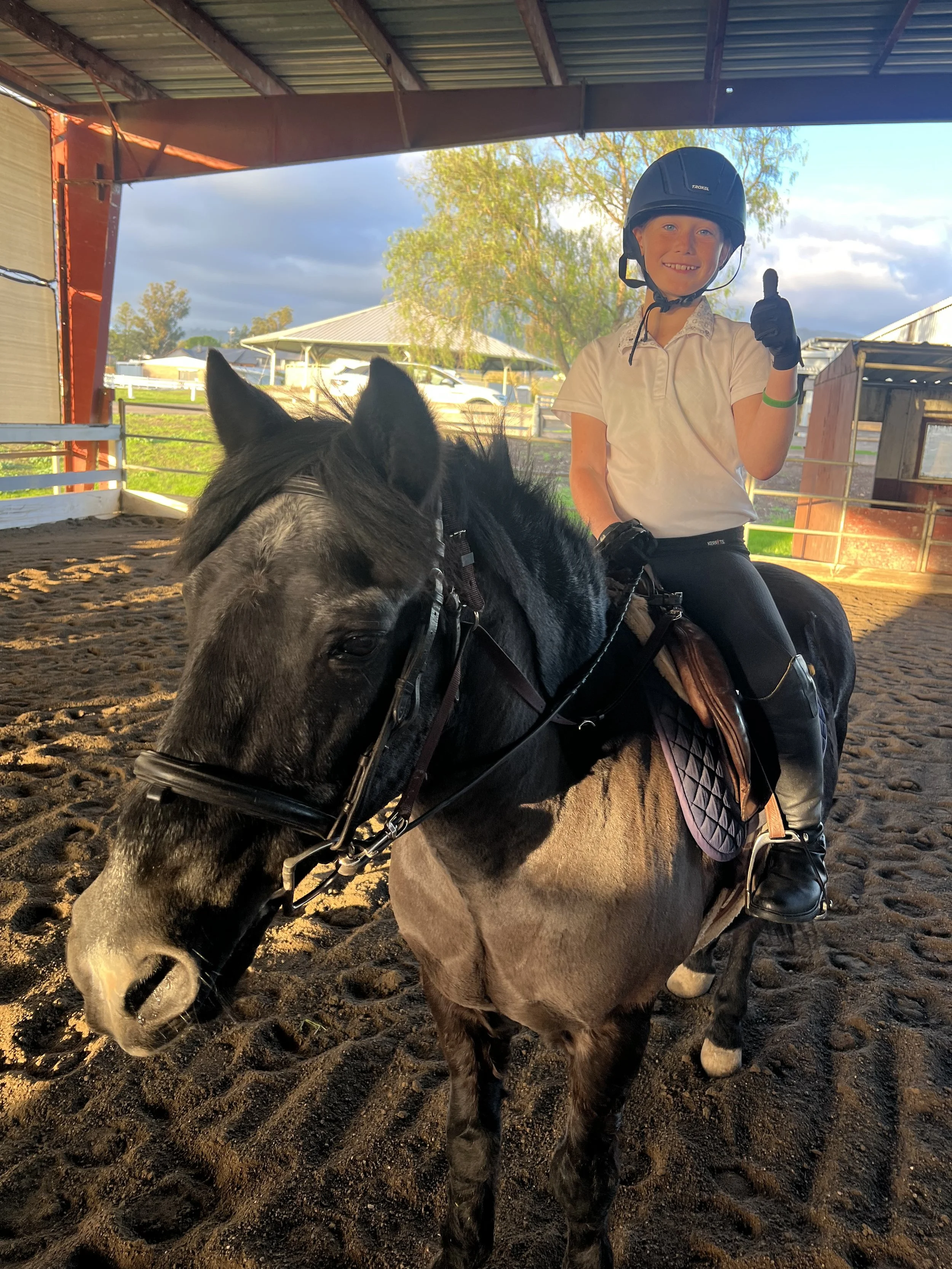
Buying Riding Gear as a Beginner: What to Look for with Confidence
You don’t need a full tack room to begin. Choosing well-made, properly designed gear helps you ride safely, move comfortably, and focus on learning rather than adjusting or worrying about your equipment. The items below are commonly requested by riding instructors and suitable for regular weekly riding.
1. Riding Helmet (Required for Lessons)
A certified riding helmet is required at almost every barn and is the most important piece of riding gear. A well-fitted helmet designed specifically for horseback riding helps protect you while allowing you to ride with confidence.
What to look for before buying:
ASTM/SEI safety certification (lesson-approved)
Adjustable fit system for a secure feel
Lightweight design you can wear for 30–60 minute lessons
Recommended helmet for beginners:
👉 Ovation Riding Helmet
This helmet is a trusted option for new riders looking for a balance of safety, comfort, and reliable design without unnecessary complexity.
2. Paddock Boots (Lesson-Approved Footwear)
Most riding programs require closed-toe boots with a small heel. Paddock boots meet this requirement and are widely trusted as a practical, beginner-friendly choice.
Why instructors recommend paddock boots:
Proper heel prevents foot slippage in stirrups
Ankle support for mounting and riding
Comfortable for lessons and walking around the barn
Recommended paddock boots:
👉 Paddock Riding Boots
3. Half Chaps (Optional but Strongly Recommended)
Half chaps pair with paddock boots to provide additional support and a more secure feel in the saddle. Many beginners notice improved leg stability once they start using them.
Why beginners add half chaps early:
Better leg contact with the saddle
Reduced rubbing and pinching
More affordable than tall boots
Recommended half chaps:
👉 Half Chaps for Riding
4. Riding Breeches (Comfort You’ll Notice Immediately)
Regular jeans or leggings can restrict movement and become uncomfortable over time. Riding breeches are designed for saddle contact and long lesson sessions.
What makes breeches worth buying:
Stretch and flexibility for correct position
Knee patches or grip for stability
Comfortable waistband for riding posture
Recommended breeches for new riders:
👉 Riding Breeches for adult
5. Equestrian Shirts (Practical for Weekly Lessons)
Riding shirts are built for movement and temperature control. They’re ideal for riders taking lessons regularly or riding in warm weather.
Why riding-specific shirts help:
Breathable, moisture-wicking fabric
No bulky seams under vests or jackets
Clean, lesson-appropriate look
Recommended equestrian shirts:
👉 Equestrian Riding Shirts
6. Riding Vest (Ideal for Cooler Weather Lessons)
A riding vest keeps your core warm while allowing full arm movement. It’s a common layering piece for early mornings and seasonal riding.
Why riders like vests:
Warmth without restricting motion
Easy to remove between lessons
Practical for outdoor barns
Recommended riding vest:
👉 Equestrian Riding Vest
Why We Recommend These Riding Essentials
When you’re just starting out, it’s not always easy to know which products are genuinely helpful versus which ones are just popular. Our recommendations are based on what tends to work best for beginners taking lessons at real barns.
We focus on gear that is:
Commonly accepted by instructors and suitable for lesson environments
Comfortable enough for regular use, not just occasional riding
Well-reviewed and widely trusted by riders at similar experience levels
Practical and easy to size, especially for first-time buyers
These items aren’t about having the “best” or most expensive gear. They’re about choosing reliable basics that help new riders feel supported, safe, and confident as they learn.
Beginner Riding Gear Checklist (Quick Buy Guide)
If you’re preparing for lessons, this is the simplest way to shop:
✔ Certified riding helmet
✔ Paddock boots with heel
✔ Riding breeches
✔ Riding shirt
➕ Half chaps (recommended)
➕ Riding vest (weather-dependent)
Frequently Asked Questions About Beginner Riding Gear
What riding gear do beginners need?
Most beginners need a few core essentials: a certified riding helmet, closed-toe riding boots with a heel, riding breeches, and a comfortable riding top. These items are commonly required or recommended by riding instructors and provide a safe, comfortable starting point for lessons.
What should I wear to my first horse riding lesson?
For your first lesson, wear a proper riding helmet, boots with a small heel, fitted riding pants or breeches, and a comfortable, breathable top. Avoid loose clothing or shoes without a heel, as they can affect safety and movement in the saddle.
Do beginners need riding boots or can I wear regular shoes?
Regular shoes are not recommended. Most barns require riding boots with a defined heel to help prevent your foot from slipping through the stirrup. Riding boots are designed specifically for safety and support while riding.
Are paddock boots okay for riding lessons?
Yes. Paddock boots are widely accepted and beginner-friendly, making them a popular choice for riding lessons. They provide ankle support, a proper heel, and comfort both in and out of the saddle.
Do I need half chaps as a beginner rider?
Half chaps are optional, but many beginners find them helpful. When worn with paddock boots, they offer added leg support, improve stability, and help prevent rubbing during lessons.
What kind of helmet is required for horseback riding?
You’ll need a certified equestrian helmet that meets ASTM/SEI safety standards. Bike or skate helmets are not suitable for horseback riding, as they are not designed for falls from a horse.
Can beginners wear leggings instead of breeches?
Some beginners start out in leggings, but riding breeches are strongly recommended. Breeches are designed for saddle contact, reduce friction, and allow better movement during lessons, making them more comfortable over time.
Final Takeaway: Starting with Gear You Can Trust
Starting with thoughtfully chosen riding gear helps beginners feel more at ease, supported, and focused on learning. These beginner riding essentials are commonly accepted at lesson barns and suitable for consistent use.
As an Amazon Associate, we may earn from qualifying purchases at no extra cost to you.