
Kids Learn to Read a Room Because They First Learned to Read a Horse
Walk into any classroom, birthday party, or team huddle and watch the kids who seem to just get it. The ones who notice when a friend goes quiet. Who sense when the group energy shifts. Who know when to step up and when to step back.
Nobody handed them a manual for that. Somewhere along the way, they learned to read a room.
At Strides Riding Academy, we watch this skill get built every single day, and it doesn't start with a lecture on empathy or a worksheet on feelings. It starts with a horse.
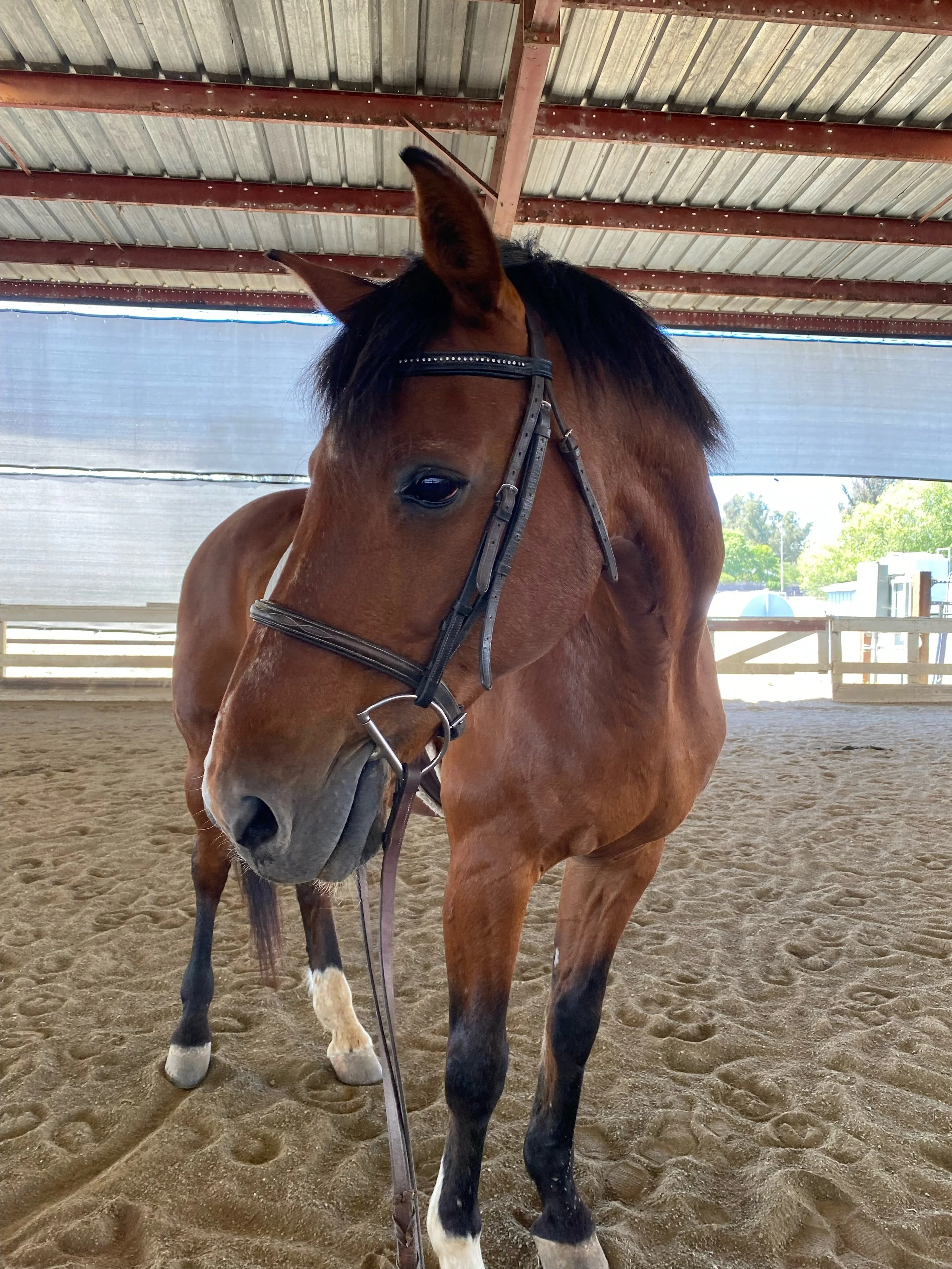
Horses Don't Speak. They Don't Need To.
A horse can't tell a kid it's nervous. It can't say "back off" or "I trust you now." Instead, it communicates through everything except words: the flick of an ear, the set of its jaw, a shift in weight, the speed of its breath.
For a horse, this isn't optional. As a prey animal, reading its environment accurately is a matter of survival. Horses have spent millions of years perfecting the art of paying attention to everything around them, because the ones who didn't pay attention didn't make it.
That means the moment a child walks up to a horse, they're standing in front of one of the most honest, unfiltered communicators on the planet. There's no faking it, no performing for approval. The horse simply reflects back exactly what it senses, and kids figure out fast that they have to slow down and start noticing if they want the horse to trust them.
The Skill Transfers, Whether Kids Realize It or Not
Here's what tends to surprise parents. A child who learns to read a horse's ears, watch its stance, and adjust their own energy accordingly isn't just learning horsemanship. They're building a form of situational awareness that shows up everywhere else in their life.
They start noticing when a sibling is having a rough day before anyone says a word. They pick up on tension at the dinner table. They sense when a friend needs space instead of advice. They learn to adjust their tone, their pace, even their posture, based on what the room is actually telling them, not just what they assumed walking in.
This is the same skill that makes a good leader, a good teammate, and a good friend. Long before kids can articulate concepts like empathy or emotional intelligence, they're practicing them, hands-on, every time they step into the arena.
Why This Skill Matters More Than a Trophy
A lot of activities teach kids to perform. Horseback riding teaches kids to pay attention first, and perform second.
That distinction matters. A child who can execute a routine but can't read the animal underneath them will eventually hit a wall, because horses respond to awareness, not memorization. The same is true for people. Kids who grow up leading with awareness, who check in before they charge ahead, tend to build stronger relationships and handle pressure with more steadiness than kids who were only ever taught to execute.
This is what we mean when we say Strides isn't just teaching kids how to ride. We're teaching them how to lead, how to communicate, and how to take the reins, both inside and outside the arena.
What This Looks Like at Strides
Every lesson at Strides Riding Academy, whether it's a first-time beginner or a rider preparing for a show, starts with the same foundation: teaching kids to actually see the horse in front of them.
That might look like:
A young rider learning to approach a horse calmly because a rushed, distracted energy makes the horse uneasy
A student adjusting their body language mid-lesson because the horse's ears just told them something isn't landing
A camper learning to groom a horse and picking up on subtle signs of discomfort or trust along the way
A rider realizing that the horse mirrors exactly what they bring into the arena, whether that's frustration, distraction, or calm focus
None of this gets taught through a lecture. It gets built through repetition, through hands-on time with an animal that simply doesn't respond to anything less than genuine attention.
Awareness Before Words, at Every Age
This isn't a skill that only matters for younger kids learning their first pony lesson. Riders who stay with the sport for years keep sharpening this same muscle, whether they're working with a green horse, prepping for a competition, or just having an off day and needing to reset before their horse picks up on it.
And it's not lost on parents, either. Time and again, we hear from families that the shift they notice isn't just in how their child rides. It's in how their child shows up at home, at school, and with friends. More patient. More observant. Quicker to notice when something's off and steadier in how they respond to it.
That's the kind of impact that doesn't fade the way a season or a trophy does.
Ready to See It for Yourself?
If you're looking for an activity for your child that goes beyond a trophy season, one that builds real leadership, communication, and awareness that follows them long after they leave the barn, we'd love to have them out to Strides Riding Academy.
Whether your family is in Petaluma, Santa Rosa, Fulton, Windsor, or anywhere in between, our beginner-friendly lessons are designed to meet your child exactly where they are, no experience necessary.
Book an intro lesson at our Petaluma location and watch your child start learning to read the room, one horse at a time.